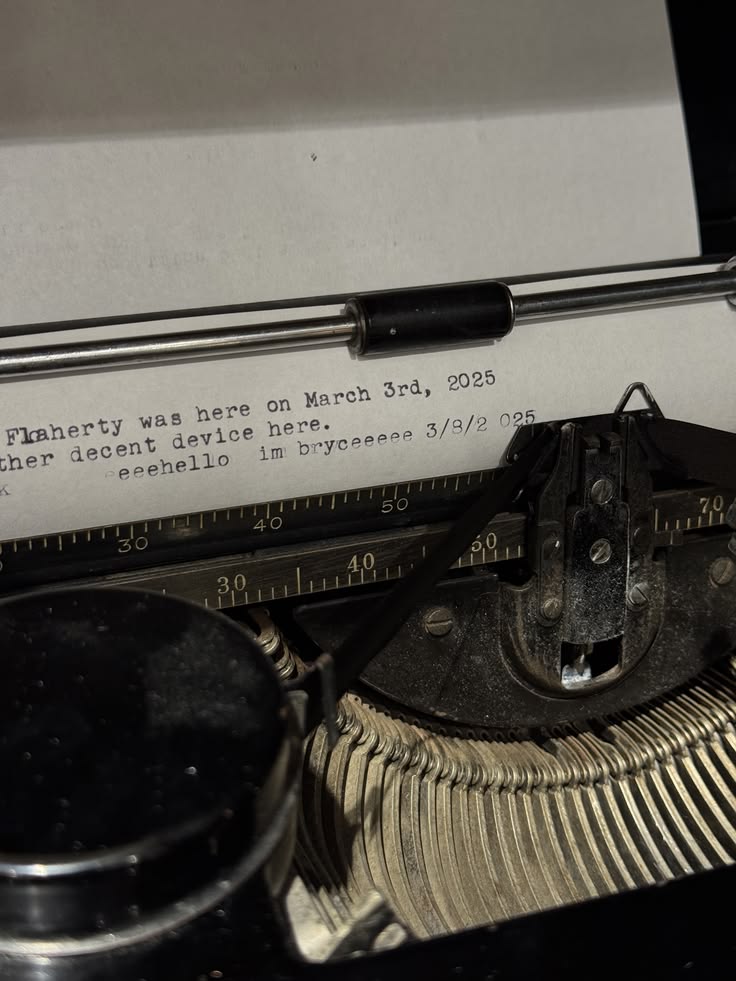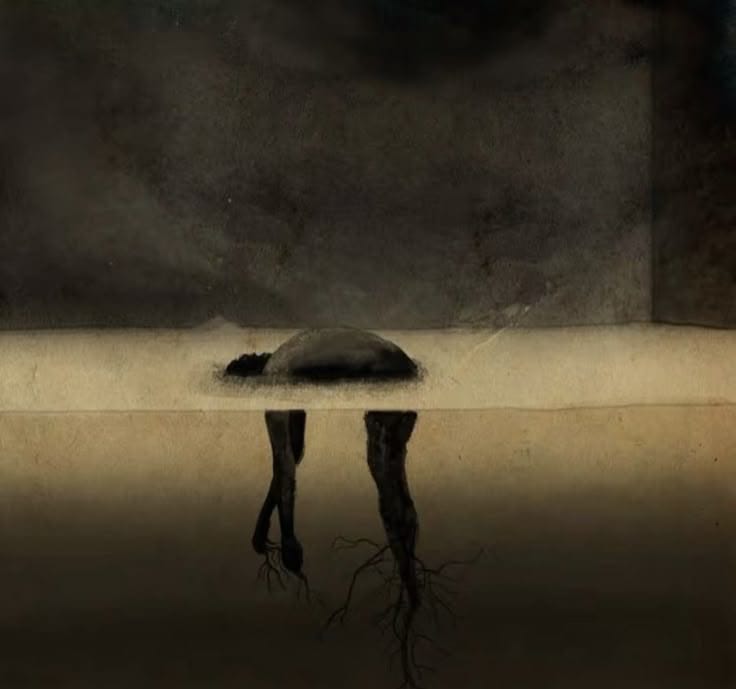
Diagnosis has excellent branding
Diagnosis Has Excellent Branding
If I asked you to describe a narcissist, you’d probably have an answer before I finished the question.
Ask you to describe a psychologically healthy person with the same precision and something curious happens.
The vocabulary evaporates.
We know every red flag.
Green ones remain strangely elusive.
This may be one of the strangest cultural developments of our time.
Never before have we possessed such an impressive vocabulary for dysfunction. We recognise gaslighting before dessert arrives. We know our attachment styles, our trauma responses, our nervous systems and our generational wounds. We can explain why relationships fail, why institutions crumble and why modern life leaves us exhausted.
Psychology has given us language previous generations desperately needed. Journalism has exposed systems that once hid in plain sight. Literature has taught us to recognise invisible forms of power and pain.
It matters.
But somewhere along the way, diagnosis stopped being the beginning of understanding and quietly became its destination.
Diagnosis has excellent branding.
It promises revelation.
It flatters intelligence.
It gives chaos a name.
Nobody has ever gone viral describing emotional stability.
Healing, by comparison, has a terrible marketing team.
Ask someone what psychological health looks like and, beyond a Labrador, matcha, reformer Pilates and suspiciously good boundaries, the conversation tends to lose confidence remarkably quickly.
We’ve become extraordinarily articulate about dysfunctional relationships. Healthy ones usually sound like a bank advert.
We know exactly what we’re trying to escape.
We’re remarkably less articulate about what we’re trying to build. Therapy has occasionally given me an uncomfortable realisation.
Sometimes I wasn’t looking for change.
I was looking for a better explanation.
Insight can become a sophisticated form of procrastination.
Maybe that’s why we consume podcasts, essays and videos explaining why we’re the way we are with the enthusiasm previous generations reserved for detective novels.
Everybody wants to solve the case.
Far fewer people seem interested in what happens after the culprit has been identified.
Susan Sontag warned that illness could become a metaphor. Half a century later, we’ve almost reversed the equation.
Diagnosis has become a metaphor for intelligence.
To diagnose is to appear perceptive.
To explain is to appear profound.
To imagine flourishing, oddly enough, risks sounding naïve.
Spend ten minutes online and you’ll quickly discover that artificial intelligence is about to replace your job, destroy democracy or end civilisation.
Perhaps.
Some of those concerns deserve serious attention.
Still, have you noticed how much easier we find it to imagine catastrophe than competence?
Every time someone speaks about hope, somebody eventually reminds us that the world is dangerous.
As though the existence of suffering automatically disqualified the existence of flourishing.
That’s a strange conclusion.
The existence of disease doesn’t make health imaginary.
Why should the existence of cruelty make kindness intellectually embarrassing?
The ability to recognise invisible patterns has transformed psychology, journalism, literature and medicine. It has given millions of people language where previously there was only confusion.
What worries me is something subtler.
We’ve become so sophisticated at recognising what’s broken that we’ve neglected an equally difficult question.
What does healthy actually look like?
Not the version sold to us by advertisers.
Not the one measured in detached houses, Labradors, Pilates memberships and aesthetically pleasing morning routines.
Our own.
Nazareth Castellanos writes beautifully about how the brain learns through repetition. I sometimes wonder whether culture does too.
If every story rehearses danger, perhaps danger eventually becomes the only future we know how to imagine.
We’ve become experts at drawing maps of shipwrecks.
Less interested in describing islands.
We can identify every reef beneath the water.
Ask us where we’re actually sailing and the conversation becomes unexpectedly quiet. Maybe that’s the real problem.
Not that we’ve become exceptional at recognising dysfunction.
It’s that we haven’t become equally good at recognising flourishing.
I realise, as I’m writing this, that I’ve just spent thirteen hundred words diagnosing a culture obsessed with diagnosis.
Occupational hazard.
Consider it my own contribution to the epidemic.
Which means it’s time to close the laptop… …and go looking for a few green flags.
About the Author
Rocío Ortells-Martín is a Spanish essayist based in Australia. Her work explores the invisible patterns shaping modern life across psychology, culture, design and everyday observation, combining cultural criticism, humour and personal reflection. She is currently writing a collection of essays about the gap between recognizing and becoming.