
The Role of Silence in Literature
Introduction
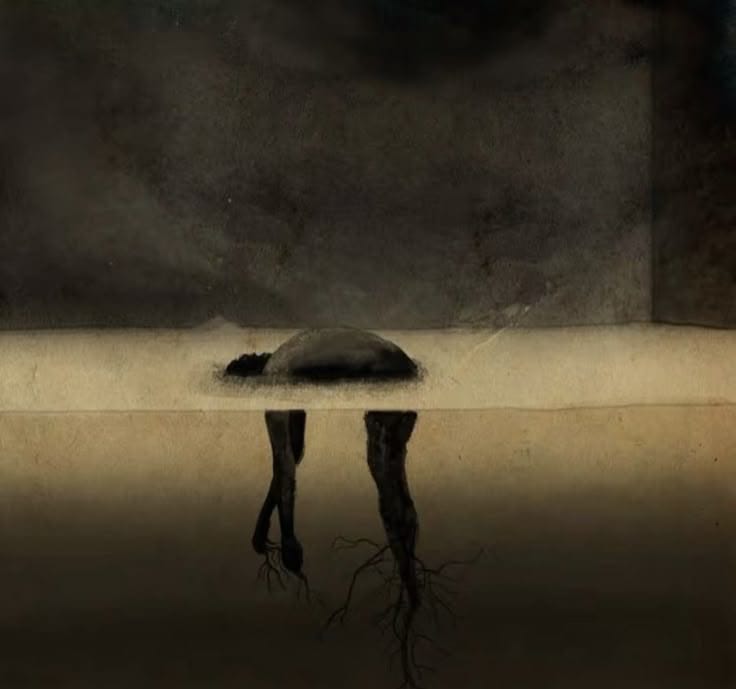
Silence is often misunderstood as emptiness—a lack of words, a gap in the narrative, an unfinished conversation. Yet, in literature, silence is never empty. It is deliberate. It carries weight, tension, and meaning that words alone cannot hold. Writers across centuries have used silence as a powerful narrative device: to express what characters cannot say, to reveal hidden emotions, or to highlight the unspeakable realities of life. In many ways, silence becomes a language of its own.
Silence as Presence, Not Absence
When we encounter silence in literature, it is rarely neutral. It lingers in dialogue, in pauses, in unspoken confessions. Virginia Woolf once wrote that “silence is far more profound than speech,” and her novels often demonstrate this truth. In To the Lighthouse, silence shapes relationships as much as words do. The absence of speech between characters creates emotional tension, reflecting how human connections often depend as much on what is unsaid as on what is spoken.
Similarly, in Ernest Hemingway’s “iceberg theory,” what is left unsaid carries the story’s real depth. In Hills Like White Elephants, the characters’ refusal to directly name their subject of conversation—the possibility of an abortion—forces the reader to sit inside the silence, where emotions, fears, and conflicts become more powerful than words.
Silence as Love and Intimacy
Silence is not always heavy or painful. Sometimes, it is the most intimate form of communication. Lovers in literature often share moments where words feel unnecessary. In Jane Austen’s Persuasion, Anne Elliot and Captain Wentworth’s restrained interactions—glances, pauses, unfinished sentences—carry more meaning than declarations could. Their silence holds longing, regret, and unspoken affection, making their eventual reunion even more powerful.
This use of silence reflects real life too. In close relationships, words sometimes fail us. A look, a touch, or simply sitting together quietly often communicates more than speeches. Literature captures this intimacy by letting silence speak where language cannot.
Silence as Betrayal and Suppression
On the other hand, silence can wound. In many literary works, silence becomes a form of betrayal. In Shakespeare’s tragedies, silence often precedes destruction. Desdemona’s quiet endurance in Othello contrasts with Iago’s endless manipulations; her inability to break the silence becomes her undoing.
Silence also represents suppressed voices. Postcolonial literature often reflects on the enforced silence of marginalized groups whose stories were ignored or erased. In Chinua Achebe’s Things Fall Apart, the silence surrounding colonial violence speaks volumes about cultural erasure. Likewise, Toni Morrison’s works, especially Beloved, use silence to illustrate the unspeakable trauma of slavery—the pain that language cannot contain.
In these contexts, silence is not chosen; it is imposed. It becomes a haunting reminder of power, control, and the dangers of silencing human experience.
Silence as Resistance
Yet silence is not always weakness. Sometimes it becomes an act of rebellion. Writers and characters have used silence as a weapon against authority or injustice. In George Orwell’s 1984, Winston and Julia’s brief moments of silence in their secret meetings are acts of defiance against a regime that demands constant surveillance and speech. Silence becomes freedom, however fleeting.
In poetry, too, silence is resistance. Emily Dickinson’s compact verses often use dashes and unfinished thoughts to challenge conventional expectations of language. Her silences force the reader to engage, to pause, to feel the unsaid.
Philosophical Dimensions of Silence
Beyond plot and character, silence in literature touches on deeper questions about existence. Philosophers and writers alike have acknowledged that some truths cannot be spoken. Samuel Beckett’s Waiting for Godot is perhaps the ultimate exploration of silence. In the repetitive, often meaningless dialogue, silence looms like an unanswered question about life’s purpose. The pauses, the waiting, the unfinished conversations all suggest that silence may be closer to truth than words ever can be.
Similarly, in Eastern philosophy and literature, silence is often depicted not as emptiness but as wisdom. In ancient Indian texts, silence (mauna) is seen as a form of knowledge beyond speech. Literature influenced by such traditions often treats silence as sacred space for reflection and understanding.
Conclusion: The Eternal Language of Silence
From Austen’s restrained lovers to Morrison’s haunted silences, from Beckett’s existential pauses to Dickinson’s quiet rebellions, silence has been a constant yet evolving force in literature. It is never neutral. Silence is love, silence is betrayal, silence is rebellion, silence is truth.
In a world overflowing with words, literature reminds us that silence still speaks—and sometimes, it speaks louder than anything else.
About the Author
Nafisha Zafar is a writer and homemaker whose work explores themes of love, silence, and self-discovery. She is the author of The Things I Wish I Knew at 17, now available on Google Books. With a passion for both storytelling and reflective essays, her writing blends emotional depth with thought-provoking insights. Through her words, she hopes to connect with readers on a deeply human level and spark conversations that linger long after the page is turned.