Violence of Freedom
Freedom is seldom peaceful or even more rare for explanations. We speak of it as if it were path Or a ray of light— as if it were expansion,individaulity or possibility. But freedom does not arrive like a gift, wrapped in a pretty wrapper or guarded to be unbroken. It tears. It confounds. But what it truly does is expose what we were surviving rather than living.
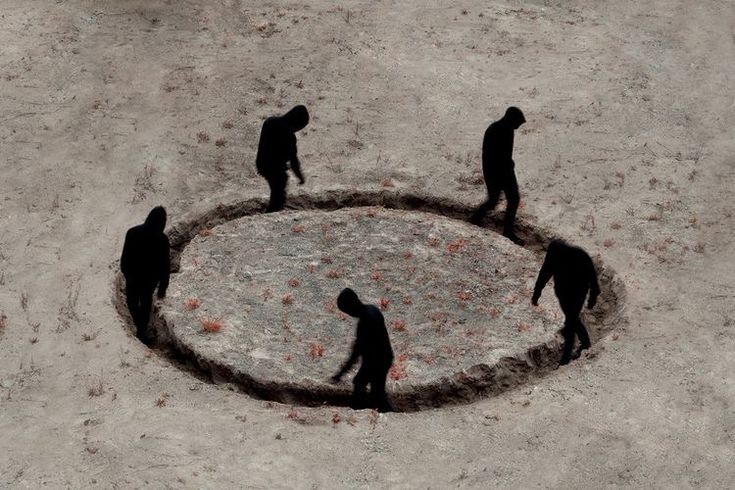
We learn that freedom is the absence of restraint or the absence of fear. Yet restraint is not always visible. It hides in tradition, in politeness, in the quiet pressure to be acceptable, it hides in your house, in each face that you still call home. It lives in beauty standards inherited without question, in relationships entered because they are expected, in careers chosen to avoid disappointment rather than pursue desire. We lie and lie with tales of freedom, a generational cycle of pretence, of adjustment and standardised normalcy. Freedom, then, is not simply moving out of the cage . It is the moment one sees the cage. Living freely is just making the same cage homely.
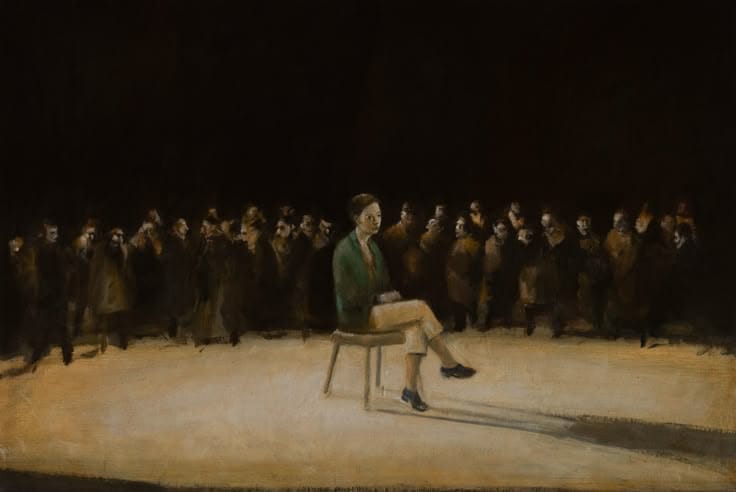
Gen Z is often accused of craving reckless liberty — of preferring dangerous freedom over stable, stated boundaries. But perhaps what appears reckless is merely visible refusal. When young people reject inherited beauty standards, they are not only experimenting with aesthetics or rebelling for gratification, they are dismantling the silent contract that worth must be earned through conformity. When they speak openly about anxiety, depression, burnout — they are naming wounds previous generations stitched and bandaged with so called coexistence and preserving harmony. Oppression and wounds are preserved while being relabelled as ‘legacy’.
Yet there is something not quite right beneath this liberation.
Self-love becomes a slogan. Therapy becomes aesthetic. Resistance becomes gossip content. Even rebellion is curated or rather price tagged. What happens when freedom itself becomes marketable? When authenticity is monetized, and dissent is filtered for public demand? The shout at the back of the throats risks becoming a pre-recorded routine.
Freedom in relationships, too, carries a shadow. To reject traditional structures is to step into uncertainty and alienation. There are fewer scripts, fewer guarantees more criticism and ostracizing. Autonomy can feel like isolation. Choice can feel like burden. To decide for oneself is to accept responsibility for the consequences — and that weight is a burden.
Political emancipation promises agency, but it also reveals fragility. The right to speak does not guarantee being heard. The right to vote does not ensure justice. Freedom exposes the limits of power as much as it asserts it. It reminds us that structures do not crumble easily; they adapt, they manipulate, they coerce.
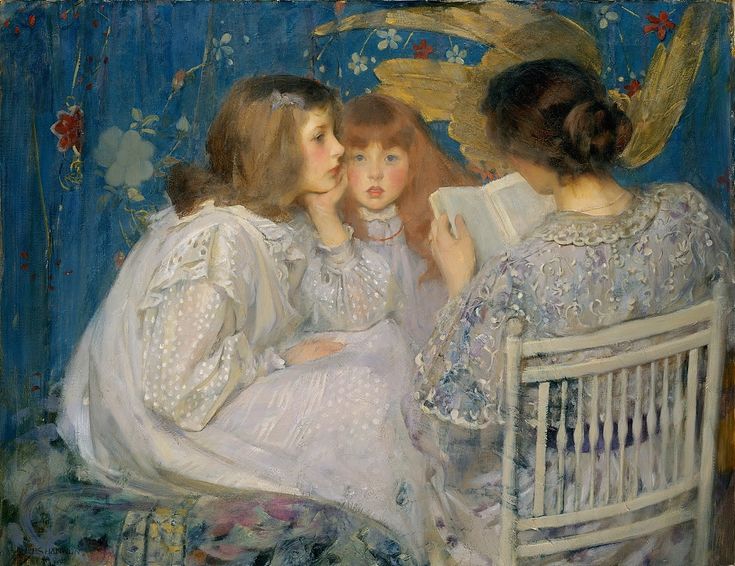
Literature, too, carries its rusted chains. It is celebrated as a sanctuary of freedom, a vessel to voice the unspeakable — yet even here, ghouls linger. The narratives may promise escape, but they are never neutral; they judge and strategically compel. Books delineate character as if morality were fixed. Choices become labels, identities confined in ink. The works that stir the soul are often ignored or ridiculed, while the shallow, the convenient, the globally packaged truths are exalted and revered. Literature whispers like a shadow, reminding us that every story carries boundaries, every word constrict, and even the act of reading may become a subtle form of containment. It is freedom trapped within margins, the haunting reminder that expression always courts limitation.
For a teenager, this tension is unbearable. The desire for autonomy collides with dependence and seeking comfort. You want to choose your education, your path, your identity — yet you are still held within systems you did not design. Freedom feels close enough to touch, yet just out of reach. It becomes less a destination and more a constant friction between who you are and who you are expected to be. And perhaps this is the darker truth: freedom is not comfort. It is confrontation. It forces us to ask whether we are brave enough to live without the safety of predetermined lives. It removes excuses. It hands us authorship and says: do it — knowing there is no one left to blame for the ending but ourselves.
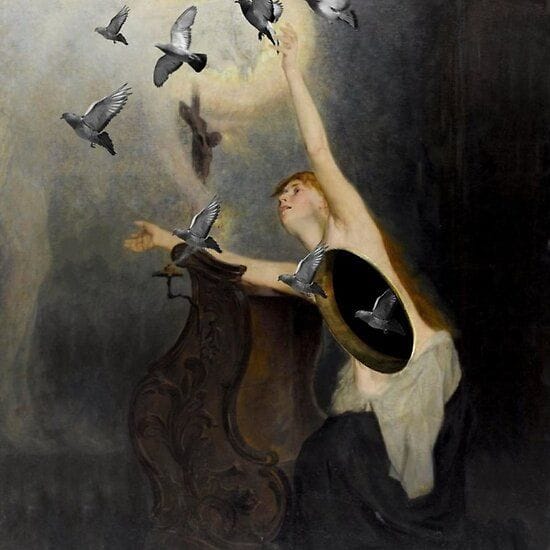
Freedom is not a rule because rules are stable. It is unstable. It trembles. It disrupts. It disturbs. It asks uncomfortable questions, sometimes they become too personal. It expose more truths than we want to acknowledge. Freedom is not always beautiful. It is not always safe. It is the sound of something breaking —Sometimes a chain, Sometimes a certainty. Sometimes a life or a family. And the echo lingers, as a blame, as a testament of a crime not as legacy, never as a story but a warning.
About the Author
Sharanya is a poet and short story writer whose work explores the intersectionality of emotions, hidden thoughts, and the nuances of humanity. A new voice in literature, she draws inspiration from philosophy, dark romance, and the quiet complexities of life. Her poem ‘Dearest and dead’ was published in the literary magazine Candlelit Chronicles, her essay appeared in the anthology ‘Stories Our Stories Tell’. Also her collection of poems were featured under the Apricus Literary. When not writing, she can be found painting or immersed in a crime web series or a thought-provoking read.